

Bao Buns Recipe (Taiwanese Steamed Bao Buns)
 This post may contain affiliate links.
These homemade bao buns are incredibly soft, fluffy, and slightly chewy, making them perfect for braised pork belly, char siu, crispy pork belly, fried chicken, or even tofu. Once you learn how to make these steamed bao buns from scratch, you’ll have a versatile recipe for countless delicious meals.

A Quick Look at the Recipe
🏷️ Recipe Name: Taiwanese Bao Buns
⏱️ Ready In: ~ 1 hours 30 minutes
🍽️ Serves: 9 pieces
🔥 Calories: 673 kcal per serving (estimate)
🧾 Main Ingredients: Bao flour, sugar, baking powder, instant yeast, water, oil, salt.
🥗 Dietary Info: Contains gluten.
🧠 Difficulty: Easy for beginner
Have a question? Ask AI!
These Taiwanese steamed bao buns are soft, fluffy, and slightly chewy, making them perfect for stuffing with your favorite savory fillings. Unlike my flower-shaped pumpkin steamed buns or cheese mantou, these folded bao buns are traditionally used to make Taiwanese gua bao. Fill them with Hong Shao Rou (Chinese braised pork belly), Char Siu Pork, Char Siu Chicken, or Crispy Pork Belly for a delicious meal that’s sure to impress your family and friends.
Why You Will Love This Recipe
Recipe Ingredients

Ingredient Notes
Bao Flour – Bao flour (also called Hong Kong flour or bao flour) is a low-protein, finely milled wheat flour that produces extra soft, fluffy steamed buns with a bright white color. If you can’t find pao flour, you can substitute it with cake flour. The buns may not be quite as white, but they’ll still be soft and delicious.
Where to buy: Bao flour is commonly sold in Asian grocery stores and can also be purchased online.
Oil – I use coconut oil because it helps keep the bao buns soft while adding very little flavor. You can also use other neutral-flavored oils, such as vegetable oil, canola oil, sunflower oil, or grapeseed oil.
How to Make Bao Buns

STEP 1. Sift the pao flour into a mixing bowl. Add the sugar, instant yeast, water, and baking powder (Image 1). Attach the paddle attachment and start mixing (Image 2). Once the dry ingredients are combined, add the oil and salt. Continue mixing until the dough is smooth and no longer sticky, about 16 minutes (Image 3). Transfer the dough to a bowl, then cover it with a cloth or cling wrap. Let it ferment for 40 minutes (Image 4).

STEP 2. After 40 minutes, the dough should have doubled in size. Punch down the dough to release the air, then divide it into 9 pieces (Images 5, 6). Cover with a cloth and let the dough rest for 10 minutes. Take one piece of dough and flatten it into an oval with a rolling pin (Image 7). The oval should be about 16 x 8 cm. Flip the rolled dough so the smooth side is at the bottom. Brush half of the inside with oil (Image 8).

STEP 3. Carefully fold the dough toward the other end to form a half-moon shape (Image 9). Place each folded bun on a piece of baking paper (Image 10). Let them proof for 15–20 minutes, then steam in a preheated steamer for 10 minutes (Image 11). Turn off the heat and keep the lid closed for another 2 minutes before opening the steamer. This helps prevent sudden temperature changes and keeps the surface of the bao buns smooth. Remove the steamed bao buns from the steamer and let them cool completely before storing them in a plastic bag or airtight container (Image 12).

Pro Tips
- Use pao flour for the softest texture. Pao flour gives these bao buns a soft, fluffy texture and whiter color. If you can’t find it, cake flour is the closest substitute.
- Mix the dough until smooth and not sticky. The dough should pull away from the bowl and feel smooth. This helps create bao buns with a soft but slightly chewy bite.
- Let the dough rest before rolling. After dividing the dough, rest it for 10 minutes. This relaxes the gluten so the dough is easier to roll into an oval shape.
- Brush the inside with oil before folding. This prevents the two sides from sticking together after steaming, so the bao buns can open easily for filling.
- Do not overproof the shaped buns. After shaping, 15–20 minutes is usually enough. Overproofed buns may collapse or wrinkle after steaming.
- Steam in a preheated steamer. Make sure the water is boiling and the steamer is hot before adding the buns. This helps them puff up properly.
- Let the buns rest before opening the steamer. After steaming, turn off the heat and leave the lid closed for 2 minutes before opening it. This allows the temperature to decrease gradually, helping the bao buns keep a smooth surface and reducing the chance of wrinkles or shrinking.
- Cool completely before storing. Let the buns cool fully before putting them in a bag or container, otherwise trapped steam can make them wet and sticky.
Serving Suggestions
These soft and fluffy bao buns are incredibly versatile and can be served with a variety of savory fillings and side dishes.
For a hearty meal, fill them with Hong Shao Rou, Char Siu Pork, Char Siu Chicken, or Crispy Pork Belly. If you’re looking for something different, try stuffing them with Chinese Pork Jerky (Bak Kwa) for a sweet-savory twist.
Complete your meal with vegetable side dishes like Garlic Green Beans, Green Beans with Eggs, or Chinese Tomato Egg Stir Fry. They also pair wonderfully with comforting soups such as Egg Drop Soup.
If you’re serving the bao buns as part of a larger Chinese-style meal, add a bowl of Minced Pork Noodles or Beef Chow Mein to the table for a satisfying spread.
To finish the meal, enjoy a refreshing glass of Lychee Tea, Pineapple Mint Soda, or Tamarind Iced Tea.


Bao Buns FAQs
This usually happens when the dough hasn’t been kneaded long enough, the yeast is inactive, or the dough hasn’t proofed properly. Make sure the dough is smooth and elastic before fermenting, and let it double in size before shaping.
Wrinkled bao buns are often caused by overproofing or sudden temperature changes. Let the buns proof until slightly puffy, then steam them in a preheated steamer. Once they’re cooked, let them rest in the steamer with the lid for 2 minutes before removing them.
Yes. You can substitute all-purpose flour or cake flour if pao flour isn’t available. Pao flour produces softer, whiter bao buns, while other flours may result in a slightly cream-colored bun with a slightly different texture.
Yes. You can prepare and steam the bao buns in advance, then refrigerate or freeze them until needed. Simply reheat them in a steamer for a few minutes until soft and warm.
Bao buns are folded steamed buns that are filled after cooking, making them perfect for dishes like Taiwanese gua bao. Baozi, on the other hand, are steamed buns that are filled and sealed before steaming.

Storage
Refrigerator: Let the bao buns cool completely before storing them. Place them in individual plastic bags or an airtight container and refrigerate for up to 1 week. Reheat them in a steamer for 3–5 minutes, or until soft and warmed through.
Freezer: For longer storage, freeze the cooled bao buns in a freezer-safe bag or airtight container for up to 3 months. To reheat, steam them directly from frozen for 8–10 minutes, or until heated through.
If storing multiple bao buns together, place a piece of parchment paper between them to prevent sticking.
More Recipes to Enjoy with Bao Buns
- Chicken and Mushroom Stir Fry – Tender chicken and mushrooms cooked in a savory sauce make an easy weeknight meal to enjoy alongside fluffy bao buns.
- Chinese Eggplant Stir Fry with Ground Pork – The rich garlic sauce and tender eggplant pair beautifully with soft steamed bao buns.
- Cantonese Steamed Fish – A light and flavorful steamed fish is perfect if you’re serving bao buns as part of a traditional Chinese family-style dinner.
- Ground Pork Tofu (Mun Tahu) – This comforting tofu dish has a silky texture that complements the pillowy softness of the bao buns.
- Garlic Chili Oil Noodles – Serve these spicy, garlicky noodles with bao buns for a satisfying noodle-and-bread combination.
- Chinese Shrimp Omelette – This silky smooth omelette with shrimp pairs just right with bao buns.
- Taiwanese Three Cup Chicken – A quick and flavorful chicken dish with soy sauce, sesame oil, and Shaoxing wine.
- Ants Climbing a Tree – Stir fried glass noodles with ground pork and spicy sauce.
Round out your meal with more delicious Chinese favorites. Browse my Easy Chinese Recipes collection for easy stir fries, fried rice, noodle dishes, soups, and homemade dim sum.

Taiwanese Bao Buns
Equipment
- 1 steamer
Ingredients
- 250 gr flour pao
- 30 gr sugar
- 2 gr baking powder
- 3 gr instant yeast
- 130 gr water
- 20 gr oil
- 2 gr salt
Instructions
- Sift the pao flour into a mixing bowl. Add the sugar, instant yeast, water, and baking powder. Attach the paddle attachment and start mixing. Once the dry ingredients are combined, add the oil and salt. Continue mixing until the dough is smooth and no longer sticky, about 16 minutes. Transfer the dough to a bowl, then cover it with a cloth or cling wrap. Let it ferment for 40 minutes.
- After 40 minutes, the dough should have doubled in size. Punch down the dough to release the air, then divide it into 9 pieces. Cover with a cloth and let the dough rest for 10 minutes. Take one piece of dough and flatten it into an oval with a rolling pin. The oval should be about 16 x 8 cm. Flip the rolled dough so the smooth side is at the bottom. Brush half of the inside with oil.
- Carefully fold the dough toward the other end to form a half-moon shape. Place each folded bun on a piece of baking paper. Let them proof for 15–20 minutes, then steam in a preheated steamer for 10 minutes. Turn off the heat and keep the lid closed for another 2 minutes before opening the steamer. This helps prevent sudden temperature changes and keeps the surface of the bao buns smooth. Remove the steamed bao buns from the steamer and let them cool completely before storing them in a plastic bag or airtight container.
Notes
- Use pao flour for the softest texture. Pao flour gives these bao buns a soft, fluffy texture and whiter color. If you can’t find it, cake flour is the closest substitute.
- Mix the dough until smooth and not sticky. The dough should pull away from the bowl and feel smooth. This helps create bao buns with a soft but slightly chewy bite.
- Let the dough rest before rolling. After dividing the dough, rest it for 10 minutes. This relaxes the gluten so the dough is easier to roll into an oval shape.
- Brush the inside with oil before folding. This prevents the two sides from sticking together after steaming, so the bao buns can open easily for filling.
- Do not overproof the shaped buns. After shaping, 15–20 minutes is usually enough. Overproofed buns may collapse or wrinkle after steaming.
- Steam in a preheated steamer. Make sure the water is boiling and the steamer is hot before adding the buns. This helps them puff up properly.
- Let the buns rest before opening the steamer. After steaming, turn off the heat and leave the lid closed for 2 minutes before opening it. This allows the temperature to decrease gradually, helping the bao buns keep a smooth surface and reducing the chance of wrinkles or shrinking.
- Cool completely before storing. Let the buns cool fully before putting them in a bag or container, otherwise trapped steam can make them wet and sticky.

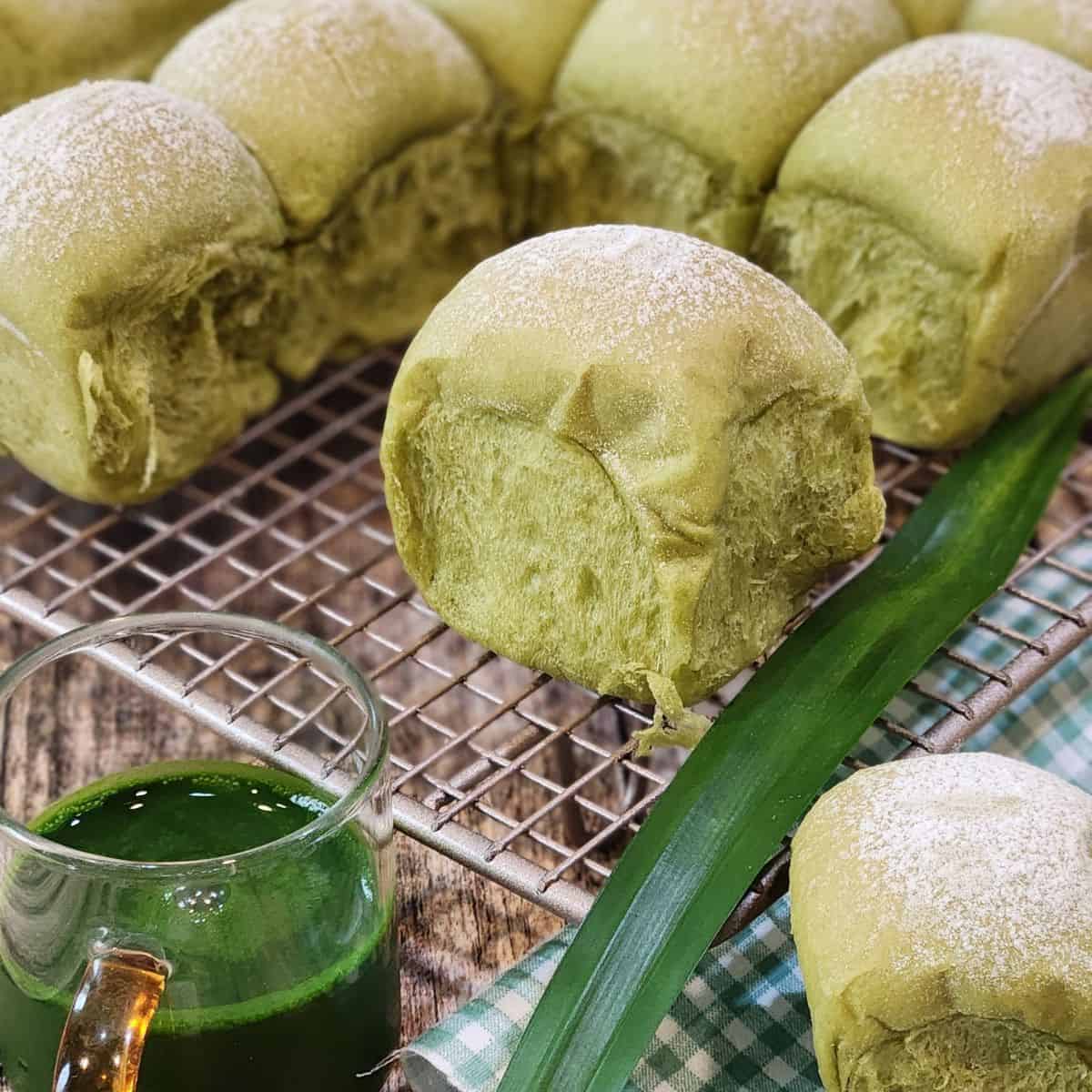


I hope you enjoy these bao buns as much as my family does! This is our favorite bao buns recipe. If you tried it, please leave a star rating and comment below. I’d love to hear what you filled them with!
Im looking for the Pao flour picture. Could you send me the brand name of Pao flour or a picture of the bag. Thank you
Hi, you can use this one in Amazon. I have the link: https://amzn.to/4zaD4lE