

Portuguese Egg Tart Recipe – Flaky Macau Egg Tarts
 This post may contain affiliate links.
These Portuguese egg tarts have crisp, flaky pastry filled with smooth, creamy custard and a beautifully caramelized top. This easy Macau-style egg tart recipe uses puff pastry, making it much simpler to prepare at home.

A Quick Look at the Recipe
🏷️ Recipe Name: Portuguese Egg Tart
⏱️ Ready In: ~ 45 minutes
🍽️ Serves: 10 pieces
🔥 Calories: 211 kcal per serving (estimate)
🧾 Main Ingredients: Puff pastry sheet, egg yolk, sugar, cornstarch heavy cream, milk, vanilla extract, condensed milk, salt.
🥗 Dietary Info: Contains dairy
🧠 Difficulty: Very easy
Have a question? Ask AI!
Portuguese egg tarts are famous for their flaky pastry shells and rich, creamy egg custard with beautifully browned tops. The Macau-style version was inspired by Portuguese pastéis de nata and has become one of Macau’s best-known treats.
My Portuguese egg tart recipe makes the process easier by using puff pastry for the shell. You still get those crisp, flaky layers, while the homemade filling stays smooth, soft, and custardy in the center.
I especially love them while they’re still slightly warm from the oven, when the pastry is at its crispiest and the custard is soft. If you enjoy custard-filled pastries, you may also like my Hong Kong Egg Tart and Hokkaido Cheese Tarts.
This Portuguese egg tart, also known as Pastel de Nata, became a dessert icon in Macau and is incredibly popular among tourists visiting both Macau and Hong Kong. While often compared to the classic Hong Kong egg tart, Portuguese egg tarts are known for their flaky, layered pastry and caramelized custard top.
Unlike Hokkaido cheese tarts, which have a soft, crumbly shell, Portuguese egg tarts use puff pastry with distinct layers. Both desserts have gained worldwide popularity for their rich fillings and bakery-style appeal.
Portuguese egg tart, also called Pasteis de Nata originated in Portugal. Inspired by the original recipe, an Englishman named Andrew Stow later recreated this famous tart in Macau, giving rise to the version we know and love today.
If you enjoy desserts with a crisp, flaky or crumbly, you may also like my no-bake mango cheesecake, classic New York cheesecake, or salted egg yolk pastry.
Why You Will Love This Recipe
Recipe Ingredients

Ingredient Notes
Puff Pastry – The easiest and fastest way to make this dessert is to use a store-bought puff pastry sheet. You don’t have to go through numbers of dough and butter folding and rolling. To make the the crispy layers, all you have to do is roll the sheet flat and roll it up to then make layers form afterwards.
Whipping Cream – To make sure the custard has rich flavor, you need to use dairy liquid whipping cream. However, you may substitute it with the non-dairy one, if you prefer. Please understand that the result won’t be the same.
Milk – Use full cream for better flavor.
Egg Yolk – Egg yolk is a must for egg custard. It helps bind the liquid ingredients and form the soft custard.
Butter – I prefer using unsalted butter. But if you have salted butter, then omit the salt in the recipe.
Muffin Baking Pan or Aluminum Foil Cup – Use muffin baking pan or aluminum foil cup (around 7 cm diameter).
Variations:
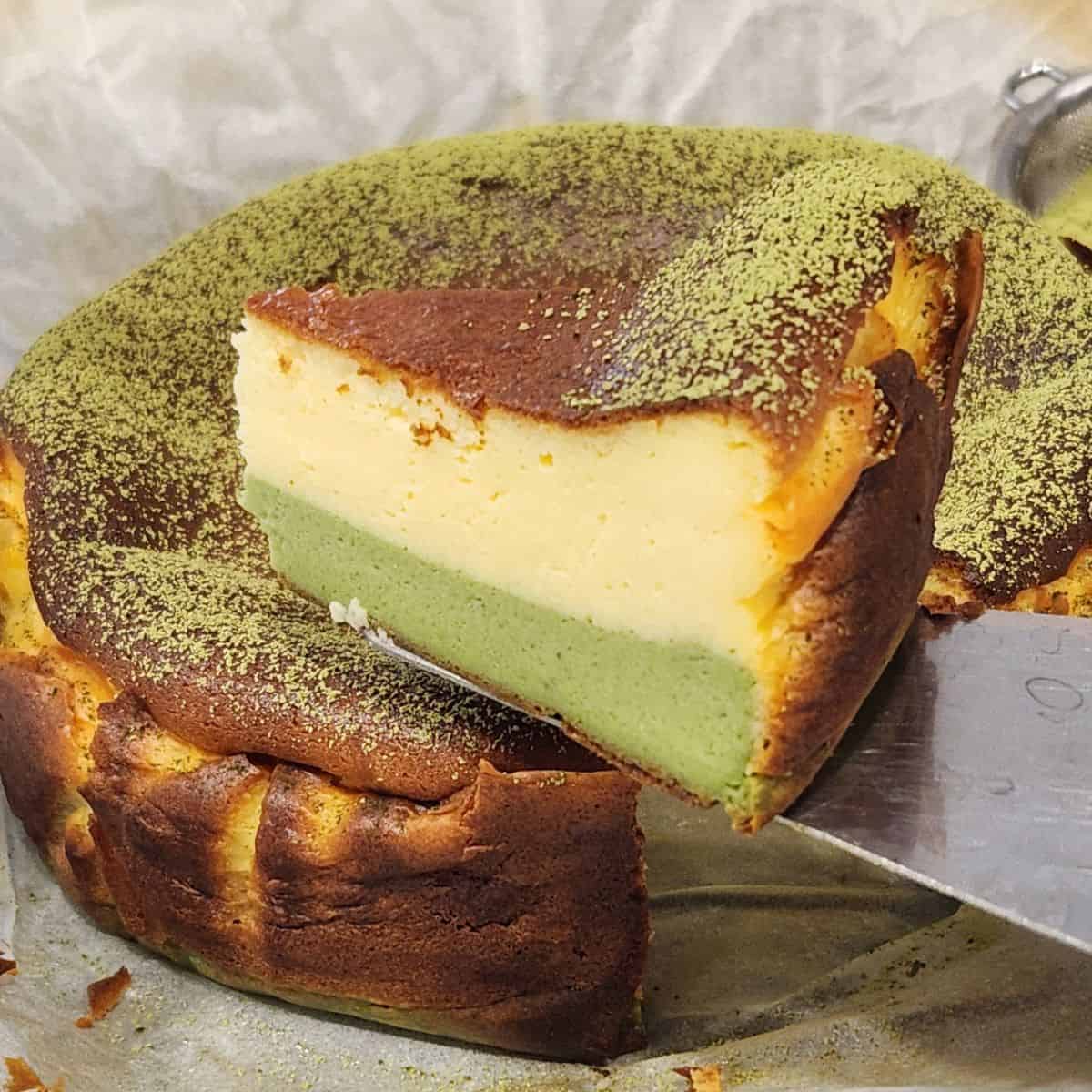
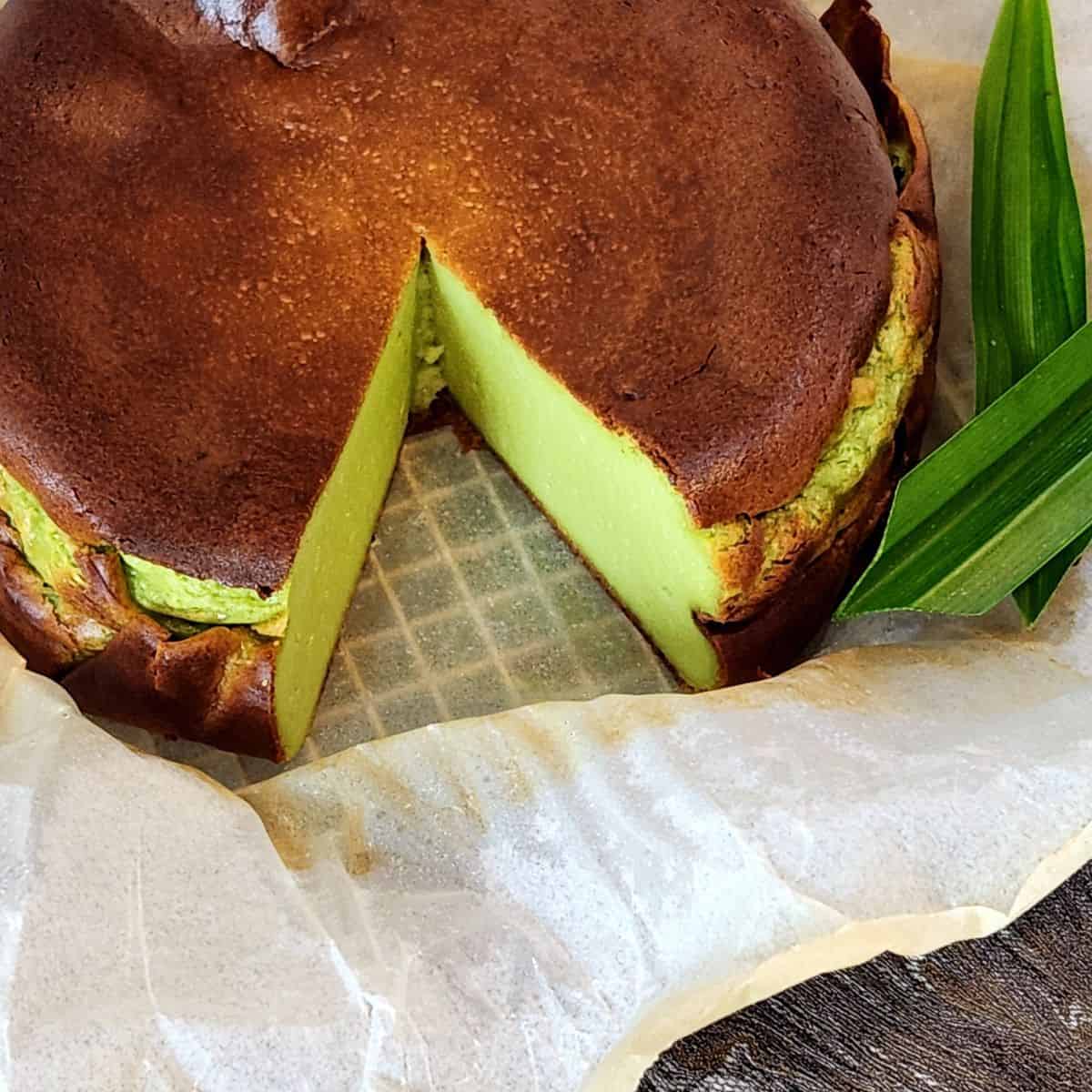
This Portuguese egg tart recipe is very versatile, you may experiment with cheese or cream cheese, or add matcha green tea powder or even with pandan extract.
Other than this egg tart, my next favorite goes to Hokkaido Cheese Tart, this is also a must-try!
How to Make Portuguese Egg Tart

STEP 1. Let the puff pastry set in the room temperature for 10-15 minutes until soft enough to roll. Roll flat using a rolling pin. Sprinkle some flour to make it easier to handle (Image 1). Roll it up (Image 2). Cut the rolled sheet into 10 equal pieces (Images 3, 4).

STEP 2. Place the sliced rolled sheet standing up, press it flat using your hand (Image 5). Roll flat until it is wide enough to cover the base of the muffin pan or aluminium tin (Images 6, 7). Poke the base with a fork (Image 8). Set aside. Finish the rest of the dough.

STEP 3. Pour milk, whipping cream, sugar, egg yolk, vanilla extract, condensed milk, cornstarch, and salt into a sauce pan (Image 9). Whisk until all the ingredients blend well. Put on the stove on medium heat. Keep stirring with a spatula. Do not leave it unattended. When you see the batter starts to thicken, you can turn off the stove. Strain to get a smoother texture.
STEP 4. Pour into each mold around 0.5 cm below the tip of the pastry sheet (Image 10). Bake in a preheated oven 225°C for 30-35 minutes until the custard is a bit scorched on top and the pastry sheet turns to golden brown. Take out from the oven and let it cool (Images 11, 12). Enjoy!
Pro Tips
- Let the puff pastry soften slightly before rolling. Leave it at room temperature for about 10–15 minutes, just until it is pliable enough to roll without cracking. Don’t let it become too warm or sticky.
- Roll the pastry evenly. An even thickness helps the tart shells bake at the same rate and gives you crisp, flaky layers.
- Prick the bottom of the pastry shells lightly with a fork. This helps prevent the pastry from puffing up too much underneath the custard.
- Strain the custard filling before pouring it into the shells. This removes any bits of cooked egg or undissolved ingredients and gives the filling a smoother texture.
- Do not overfill the tart shells. Leave a little space at the top so the custard can expand slightly as it bakes without spilling over.
- Bake until the tops are well browned in spots. Those dark caramelized patches are one of the signature features of Portuguese-style egg tarts.
- Serve them slightly warm for the best texture. The pastry is crispest and the custard is soft and creamy shortly after baking.
Serving Suggestions
Portuguese egg tarts are best served slightly warm, when the custard is soft and creamy and the pastry is still crisp. They make a lovely afternoon snack, tea-time treat, or simple dessert after a meal.
Pair them with a warm cup of Assam Milk Tea or Butterfly Pea Flower Tea for a cozy tea break. If you prefer something lighter and more refreshing, Lemongrass Pandan Tea or Ginger Lemon Drink balances the rich custard nicely.
For a small dessert spread, you can also serve these egg tarts alongside other bite-sized treats such as Mini Sponge Cakes, Mini Bika Ambon, Coconut Macaroon, or another light Asian cake.
Portuguese Egg Tart FAQs
Yes, you can, but the taste will be different from the one using dairy cream.
It could be the oven is not hot enough. You have to bake it in 225°C for 30-35 minutes so the pie crust will develop layers.
When you roll the pastry sheet, press it from the top, and roll it again, it will create so many crunchy layers.

Storage and Reheating
If you want to keep the egg tarts for later, you can keep them in a closed container in the fridge. It can stay for up to 5 days in the fridge.
Reheating is simple. You only need to put it in the oven or air-fryer for 5-10 minutes or heat it in the microwave.
If you enjoy desserts in smaller portions, I have more ideas in my mini desserts post.



Portuguese Egg Tart
Equipment
- 10 foil tray muffin cases
- 1 whisk
Ingredients
- 1 puff pastry sheet
- 2 egg yolk
- 35 gr sugar
- 10 gr cornstarch
- 75 gr heavy cream
- 250 gr milk
- ½ tsp vanilla extract
- 1 tbsp condensed milk
- A pinch of salt
Instructions
- Let the puff pastry set in the room temperature for 10-15 minutes until soft enough to roll. Roll flat using a rolling pin. Sprinkle some flour to make it easier to handle. Roll it up. Cut the rolled sheet into 10 equal pieces
- Place the sliced rolled sheet standing up, press it flat using your hand. Roll flat until it is wide enough to cover the base of the muffin pan or aluminium tin. Poke the base with a fork. Set aside. Finish the rest of the dough.
- Pour milk, whipping cream, sugar, egg yolk, vanilla extract, condensed milk, cornstarch, and salt into a sauce pan. Whisk until all the ingredients blend well. Put on the stove on medium heat. Keep stirring with a spatula. Do not leave it unattended. When you see the batter starts to thicken, you can turn off the stove. Strain to get a smoother texture.
- Pour into each mold around 0.5 cm below the tip of the pastry sheet. Bake in a preheated oven 225°C for 30-35 minutes until the custard is a bit scorched on top and the pastry sheet turns to golden brown. Take out from the oven and let it cool. Enjoy!
Video
Notes
- Let the puff pastry soften slightly before rolling. Leave it at room temperature for about 10–15 minutes, just until it is pliable enough to roll without cracking. Don’t let it become too warm or sticky.
- Roll the pastry evenly. An even thickness helps the tart shells bake at the same rate and gives you crisp, flaky layers.
- Prick the bottom of the pastry shells lightly with a fork. This helps prevent the pastry from puffing up too much underneath the custard.
- Strain the custard filling before pouring it into the shells. This removes any bits of cooked egg or undissolved ingredients and gives the filling a smoother texture.
- Do not overfill the tart shells. Leave a little space at the top so the custard can expand slightly as it bakes without spilling over.
- Bake until the tops are well browned in spots. Those dark caramelized patches are one of the signature features of Portuguese-style egg tarts.
- Serve them slightly warm for the best texture. The pastry is crispest and the custard is soft and creamy shortly after baking.




This Portuguese egg tart is a simple and quick dessert to make! Even a beginner can make this without fail!