

Ongol Ongol Recipe (Indonesian Coconut Tapioca Cake)
 This post may contain affiliate links.
This Ongol Ongol recipe makes a soft, chewy Indonesian tapioca cake coated in freshly grated coconut. Made with simple pantry ingredients, this traditional snack is naturally gluten-free, dairy-free, and perfect with a cup of tea or coffee.

A Quick Look at the Recipe
🏷️ Recipe Name: Ongol ongol
⏱️ Ready In: ~ 30 minutes
🍽️ Serves: 8 portions
🔥 Calories: 247 kcal per serving (estimate)
🧾 Main Ingredients: Tapioca flour, coconut sugar, salt, pandan leaves, water, grated coconut.
🥗 Dietary Info: Gluten free
🧠 Difficulty: Very easy with simple steps.
Have a question? Ask AI!
This Ongol Ongol recipe makes a soft, chewy Indonesian coconut tapioca cake coated with freshly grated coconut. Made with simple ingredients like tapioca flour and palm sugar, this traditional snack is naturally gluten-free, dairy-free, and surprisingly easy to make at home.
Ongol-ongol is one of the Indonesia’s most beloved traditional desserts. If you enjoy sweet treats made with coconut, palm sugar, and rice-based ingredients, you’ll also love classics like Klepon (Onde Onde) (those addictive green rice balls oozing with palm sugar), Bugis Mandi (chewy tapioca dumplings filled with coconut and palm sugar), Kue Lumpang (steamed pandan bouncy cakes), and Pulut Hitam (black glutinous rice porridge).
With its bouncy texture and rich coconut flavor, Ongol Ongol is a wonderful introduction to Indonesian desserts and a perfect companion to a cup of tea or coffee.
Why You Will Love This Recipe
Recipe Ingredients
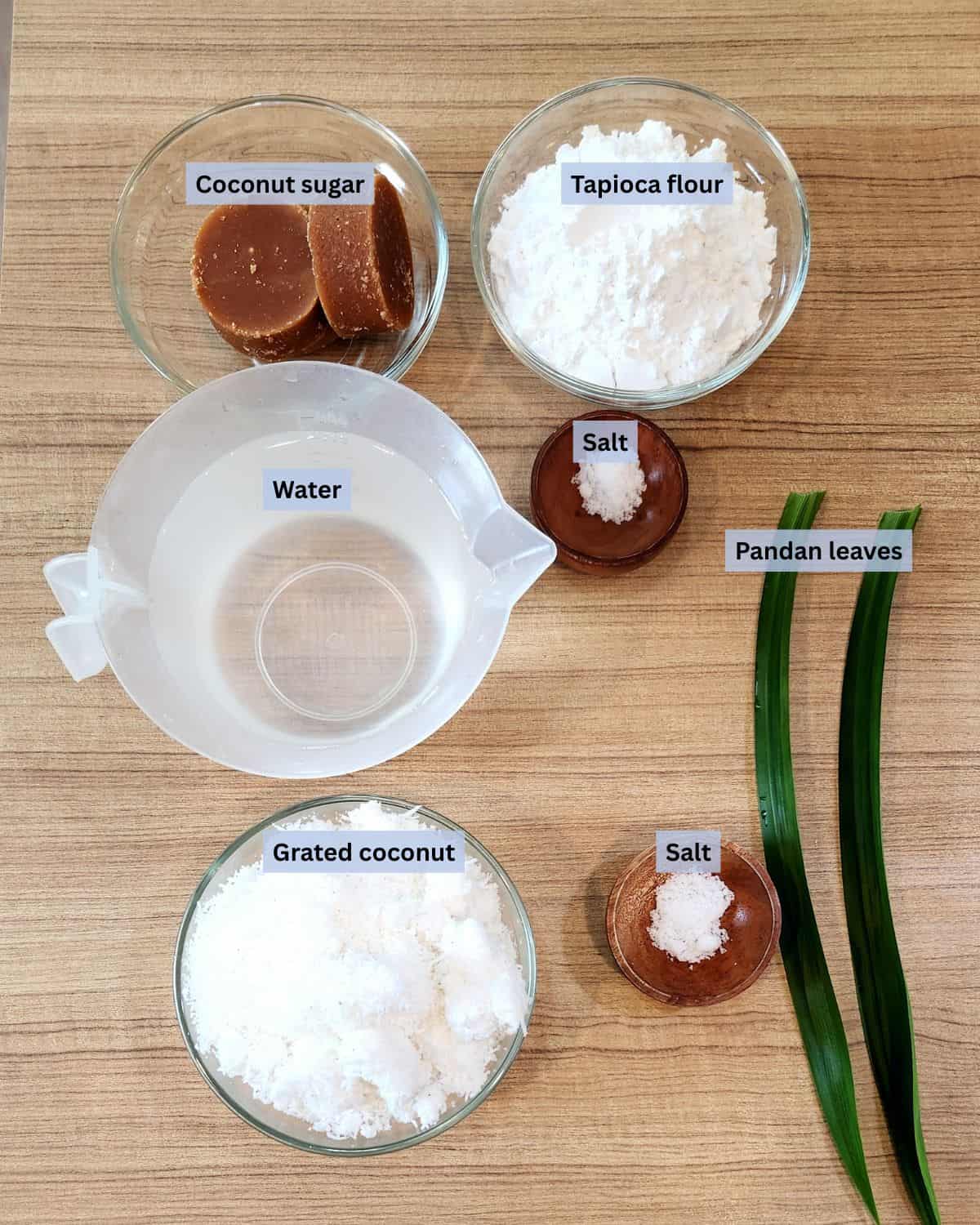
Ingredient Notes
Tapioca flour – Tapioca flour gives it its signature soft, chewy, and bouncy texture. Make sure to use tapioca flour (sometimes labeled tapioca starch) and not cassava flour, as they are not the same product. Traditional Ongol Ongol is naturally gluten-free because tapioca flour is made from cassava root.
Coconut sugar – Coconut sugar gives this dessert its rich caramel-like sweetness and brown color. Palm sugar (gula jawa or gula merah) is the traditional choice, but coconut sugar works well too.
Grated coconut – Freshly grated coconut adds moisture and flavor to the dessert. If using frozen grated coconut, thaw completely and steam it briefly with a pinch of salt before using.
Be sure to check out the full recipe and ingredient list below
Substitutions & Variations
For a fun twist, try adding pandan extract to the batter for a vibrant green color and floral aroma. Just swap the coconut sugar for white sugar to let the pandan flavor shine through.
Want something blue? Steep butterfly pea flowers in hot water and use the infused liquid in your batter. Like with pandan, you’ll want to use white sugar here to keep the colors bright and flavors balanced.
How to Make Ongol Ongol

STEP 1. Mix salt into the grated coconut (Image 1). Mix thoroughly (Image 2). Steam with pandan leaves for 15 minutes (Image 3). Let it cool, then set aside. Combine coconut sugar, salt, and pandan in a sauce pan . Pour in the water (Image 4).

STEP 2. Turn on the stove low to medium heat (Image 5). Let the sugar dissolve and simmer (Image 6). Turn off the stove. Strain the sugar to take out any debris (Image 7). Let the sugar water cool down (Image 8).

STEP 3. Once the syrup has cooled down, mix in tapioca flour (Image 9). Stir with spatula until the tapioca flour dissolves completely (Image 10). Put on the stove, cook low heat (Image 11). Keep stirring, do not leave it unattended. It will become lumpy and sticky fast (Image 12).

STEP 4. Keep on cooking until you can see the bottom of the pan and it looks no longer sticky to the pan (Image 13). Move it to a greased bowl to cool down. Use 2 small spoons greased with oil and shape the gooey mixture into a ball, transfer it in a bowl of steamed shredded coconut (Images 14, 15). Let it be covered with coconut completely (Image 16). Continue until finished. Enjoy!
Pro Tips
- You can separate the water. Pour half into the sugar and the other half mix with tapioca flour. This way you save some time.
- If you can’t find fresh grated coconut, desiccated coconut works as a substitute—just steam it for 15 minutes to bring back some moisture and softness.
- No coconut sugar on hand? Brown sugar or palm sugar will do the trick. The flavor will vary slightly (coconut sugar has a uniquely fragrant, caramel-like aroma), but the results will still be delicious!
Serving Suggestions
Serve Ongol Ongol slightly warm or at room temperature for the best chewy texture. Traditionally, it is served on banana leaves and enjoyed as an afternoon snack with a cup of tea or coffee.
Pair it with warming drinks like Red Ginger Tea, refreshing Lemongrass Pandan Tea or tangy Tamarind Iced Tea to balance its sweetness. If you enjoy traditional Indonesian sweets, serve it alongside other favorites such as Gemblong, Palm Sugar Wajik, Pandan Serabi, or Lemper Ayam for a colorful dessert spread.
Ongol ongol FAQs
Traditional Ongol Ongol is made with tapioca flour, coconut sugar, water, pandan leaves, and grated coconut. These simple ingredients create its signature chewy texture and caramel-like flavor.
Original version of this jiggly dessert primarily has a sweet caramel-like and coconutty flavor, often accompanied by a subtle fragrance from pandan leaves.
Yes, it is vegan-friendly as it usually consists of plant-based ingredients like coconut, sugar, and tapioca flour.
Yes. It is naturally gluten-free because it is made with tapioca flour rather than wheat flour. If serving someone with celiac disease, always check that your ingredients are certified gluten-free.
Yes. It contains no dairy products. The dessert gets its rich flavor from coconut sugar and grated coconut instead of milk or butter.
Other Indonesian desserts with a similar chewy texture include Klepon, Putri Mandi, Kue Lapis, and Kue Apem. If you enjoy traditional coconut-based sweets, you may also like Palm Sugar Wajik and Gemblong.
Steaming will give dried coconut moisture and softness, mimicking freshly grated coconut’s texture. If you skip this, the coconut will be dry.
Storage
Homemade ongol-ongol lasts 1-2 days at room temperature or 3-4 days refrigerated in an airtight container. For best texture, keep it lightly covered with steamed coconut to prevent drying. Note: I highly recommend you eat it fresh!
More Recipes Using Coconut

Ongol Ongol
Ingredients
- 150 gr tapioca flour
- 150 gr coconut sugar
- ½ tsp salt
- 3 pcs pandan leaves
- 550 ml water
Topping
- 150 gr grated coconut
- ½ tsp salt
Instructions
- Mix salt into the grated coconut. Mix thoroughly. Steam with pandan leaves for 15 minutes. Let it cool, then set aside. Combine coconut sugar, salt, and pandan in a sauce pan . Pour in the water.
- Turn on the stove low to medium heat. Let the sugar dissolve and simmer. Turn off the stove. Strain the sugar to take out any debris. Let the sugar water cool down.
- Once the syrup has cooled down, mix in tapioca flour. Stir with spatula until the tapioca flour dissolves completely. Put on the stove, cook low heat. Keep stirring, do not leave it unattended. It will become lumpy and sticky fast.
- Keep on cooking until you can see the bottom of the pan and it looks no longer sticky to the pan. Move it to a greased bowl to cool down. Use 2 small spoons greased with oil and shape the gooey mixture into a ball, transfer it in a bowl of steamed shredded coconut. Let it be covered with coconut completely. Continue until finished. Enjoy!
Video
Notes
- You can separate the water. Pour half into the sugar and the other half mix with tapioca flour. This way you save some time.
- If you can’t find fresh grated coconut, desiccated coconut works as a substitute—just steam it for 15 minutes to bring back some moisture and softness.
- No coconut sugar on hand? Brown sugar or palm sugar will do the trick. The flavor will vary slightly (coconut sugar has a uniquely fragrant, caramel-like aroma), but the results will still be delicious!


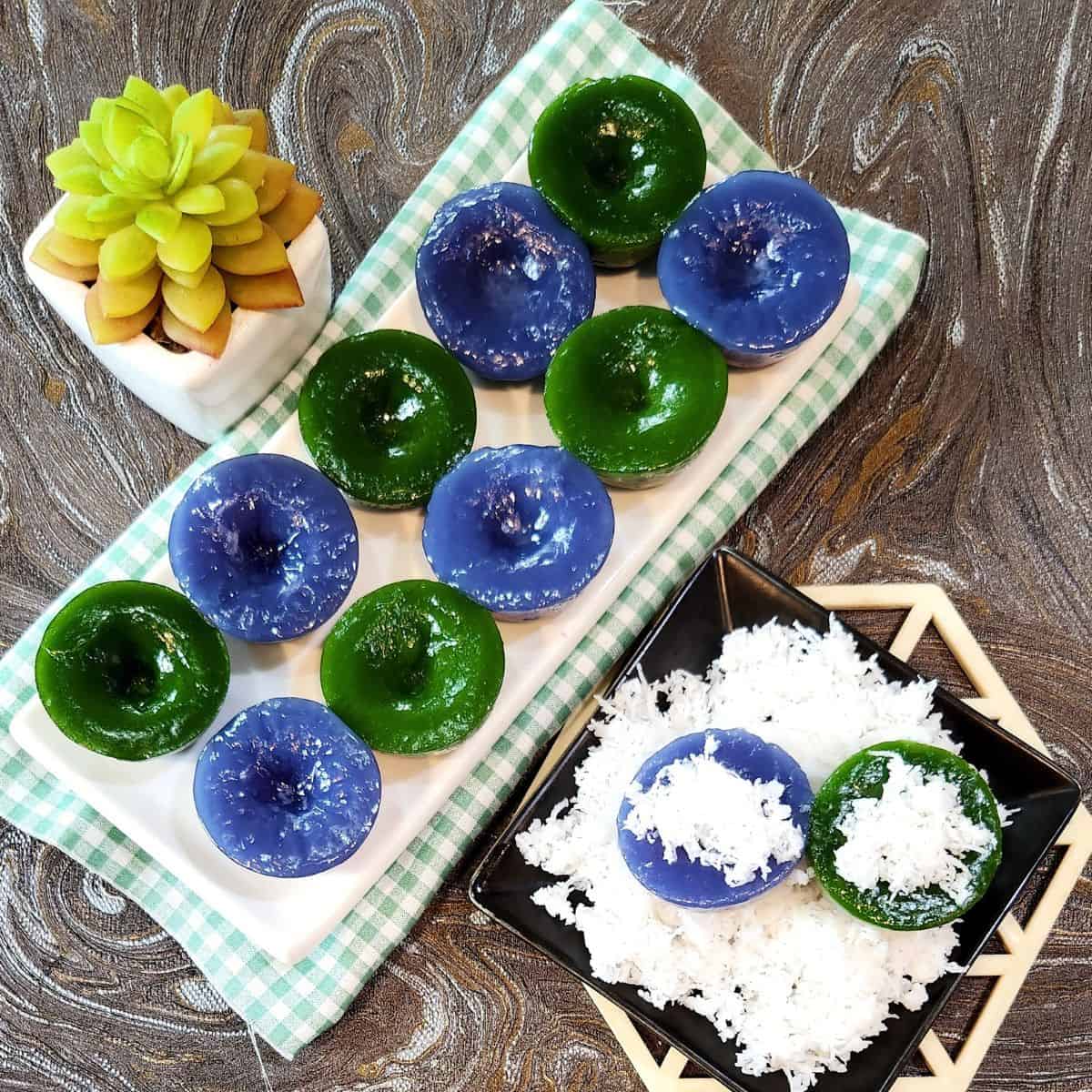

This is really the easiest traditional Indonesian dessert I have ever made! And the result is so satisfying. The soft, jiggly caramel-like texture covered with coconut. They are just delicious!