

Easy Mango Jam Recipe with Fresh Mango
 This post may contain affiliate links.
This easy mango jam recipe is a simple way to turn ripe mangoes into a sweet, fruity spread. It’s bright, smooth, and delicious on toast, bread, pancakes, or even as a filling for cakes and pastries.

A Quick Look at the Recipe
🏷️ Recipe Name: Mango Jam
⏱️ Ready In: ~ 30 minutes
🍽️ Serves: 3 jars (~ 600 grams)
🔥 Calories: 195 kcal per jar (estimate)
🧾 Main Ingredients: Ripe mangoes, lemon, glucose syrup.
🥗 Dietary Info: Gluten free
🧠 Difficulty: Very easy
Have a question? Ask AI!
This easy mango jam is such a nice way to use up ripe, sweet mangoes. It’s fruity, smooth, and not too complicated to make. I like having a jar in the fridge because it works for so many things, from spreading on toast to using as a filling for cakes, buns, and pastries.
If you like making homemade spreads and fillings, you might also enjoy my coconut kaya jam, lemon curd, cranberry jam, custard filling, pineapple filling, golden syrup, and strawberry compote. I use these kinds of recipes all the time because they’re handy to keep around and can easily turn a simple bread, cake, or dessert into something more special.
This mango jam is also really versatile. You can spoon it over pancakes, add it to yogurt, spread it between cake layers, or use it inside soft bread and buns. It’s one of those simple recipes that somehow ends up being useful in more ways than you expect.
Why You Will Love This Recipe
Recipe Ingredients
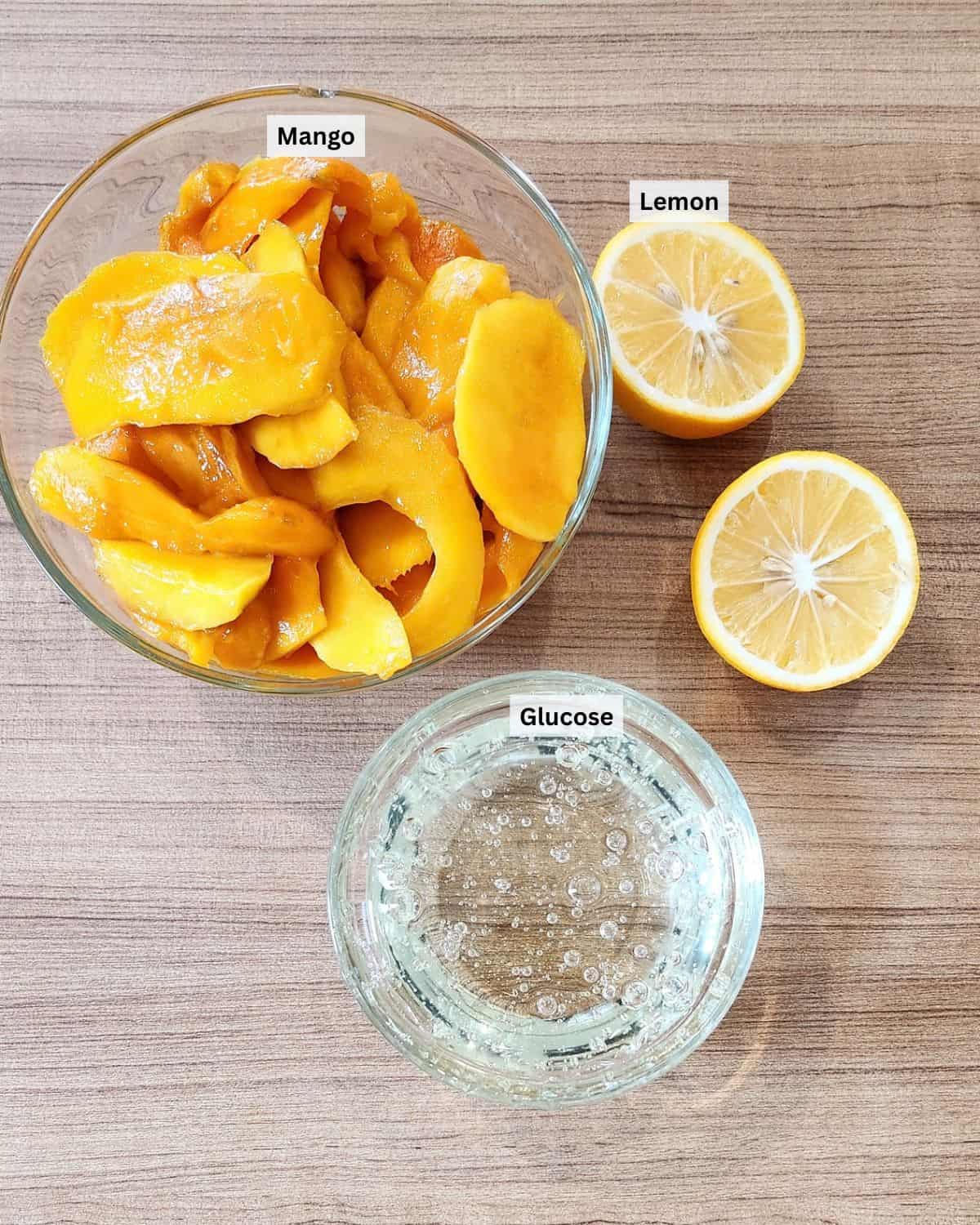
Ingredient Notes
Ripe mangoes – Use ripe, sweet mangoes for the best flavor and natural sweetness. Since the mangoes are already very sweet, I don’t add regular sugar to this recipe. Softer ripe mangoes also break down more easily as they cook.
Glucose syrup – I use glucose instead of granulated sugar. It adds body and helps the mango mixture become thick and glossy as it cooks without making the jam overly sweet. It also gives the finished jam a smoother texture.
Lemon – Fresh lemon juice adds a little acidity to balance the sweetness of the mango and brighten the fruity flavor. It also helps keep the jam from tasting too rich or flat.
How to Make Mango Jam

STEP 1. Blend the ripe mangoes in a food processor until completely smooth (Images 1, 2). Pour the mango puree into a saucepan, then add the glucose syrup and fresh lemon juice (Images 3, 4).

STEP 2. Bring the mango mixture to a gentle simmer over medium-low heat, stirring regularly so it does not catch on the bottom (Image 5). Continue cooking until the jam becomes thick and glossy. To test the consistency, place a small spoonful on a clean plate and tilt the plate slightly. If the jam moves slowly rather than running quickly, it is ready (Image 6).
Turn off the heat and carefully pour the hot mango jam into a clean, heat-safe glass jar while the jam is still hot (Image 7). Close the lid tightly and allow the jar to cool before refrigerating (Image 8).
Tip for Sterilized Jars: When I made jams and fillings for customers, I used to hot-fill the sterilized jars and briefly invert them so the hot jam contacted the inside of the lid. This can help reduce surface contamination, but for home storage I recommend refrigerating the jam rather than relying on this method for shelf-stable preservation.
Pro Tips
- Use very ripe mangoes. The riper they are, the sweeter and more flavorful your jam will be, so you may not need extra sugar.
- Cook over medium-low heat. Mango puree can scorch easily, especially as it thickens, so stir regularly and scrape the bottom of the pan.
- Watch the texture, not just the time. The jam is ready when it becomes thick and glossy and moves slowly when tested on a clean plate.
- Remember it thickens more as it cools. Don’t cook it until it is too stiff in the pan, or the finished jam may become overly thick.
- Use a clean, heat-safe jar. Pour the jam in while it is still hot, then let it cool before refrigerating.
- Refrigerate after cooling. Since this is not a tested shelf-stable canning recipe, keep it chilled for safe storage.
Serving Suggestions
Spread this mango jam on Japanese milk hearth bread, roti sisir, salt bread, melon pan, or even soft steamed bao buns for a sweet breakfast or afternoon snack.
You can also use it in drinks. Stir a spoonful into soda water for a refreshing mango soda, or use the jam as a fruity base for mango sago dessert. It’s a handy little jar to keep around because it works just as well for breakfast as it does for desserts and drinks.
Mango Jam FAQs
Yes. Thaw them first and drain off excess liquid before blending, since frozen mangoes can release more water.
Not always. If your mangoes are very ripe and sweet, you can make the jam without regular sugar. My recipe uses glucose syrup instead to help with texture and body.
Place a small amount on a clean plate and tilt it. If the jam moves slowly instead of running quickly, it is ready. It will also thicken a little more as it cools.
It may need more cooking time. Keep simmering gently so excess moisture can evaporate, but stir regularly to prevent scorching.
Use ripe, naturally sweet, flavorful mangoes with smooth flesh and as little fiber as possible.

Storage
Store the mango jam in a clean, airtight jar in the refrigerator. For best quality and food safety, use it within 1–2 weeks.
For longer storage, transfer the cooled jam to a freezer-safe container, leaving a little room at the top for expansion. It can be frozen for up to 6–12 months. Thaw it overnight in the refrigerator before using.
More Mango and Fruit Recipes
- Mango Pudding
- Mango Sago Dessert
- Mango Sticky Rice
- No Bake Mango Cheesecake
- Pineapple Mint Soda
- Lychee Soda
- Lychee Tea
- Watermelon Juice
If you enjoy making homemade spreads, you can find more ideas in my Homemade Jam Recipes, Sweet Spreads & Fillings collection.

Mango Jam
Equipment
- 3 glass jars 195 ml size
- 1 measuring cup
Ingredients
- 2 mangoes medium size
- 1 lemon
- 100 gr glucose syrup
Instructions
- Blend the ripe mangoes in a food processor until completely smooth (Images 1, 2). Pour the mango puree into a saucepan, then add the glucose syrup and fresh lemon juice (Images 3, 4).
- Bring the mango mixture to a gentle simmer over medium-low heat, stirring regularly so it does not catch on the bottom (Image 5). Continue cooking until the jam becomes thick and glossy. To test the consistency, place a small spoonful on a clean plate and tilt the plate slightly. If the jam moves slowly rather than running quickly, it is ready (Image 6).
- Turn off the heat and carefully pour the hot mango jam into a clean, heat-safe glass jar while the jam is still hot (Image 7). Close the lid tightly and allow the jar to cool before refrigerating (Image 8).
Notes
- Use very ripe mangoes. The riper they are, the sweeter and more flavorful your jam will be, so you may not need extra sugar.
- Cook over medium-low heat. Mango puree can scorch easily, especially as it thickens, so stir regularly and scrape the bottom of the pan.
- Watch the texture, not just the time. The jam is ready when it becomes thick and glossy and moves slowly when tested on a clean plate.
- Remember it thickens more as it cools. Don’t cook it until it is too stiff in the pan, or the finished jam may become overly thick.
- Use a clean, heat-safe jar. Pour the jam in while it is still hot, then let it cool before refrigerating.
- Refrigerate after cooling. Since this is not a tested shelf-stable canning recipe, keep it chilled for safe storage.

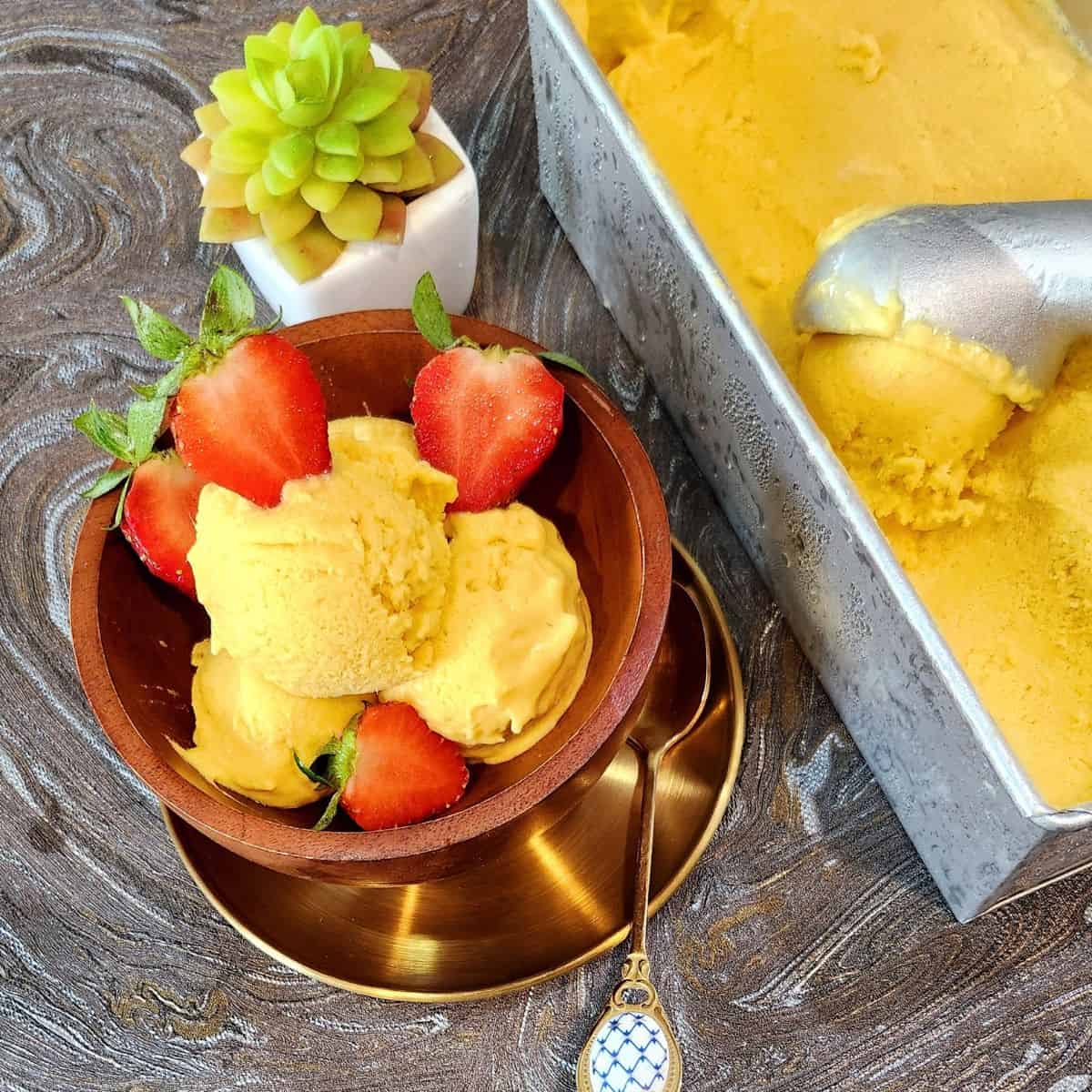


Whenever I have lots of ripe mangoes, I like turning them into this mango jam to keep at home or share with friends. It’s so versatile and comes in handy for all kinds of desserts, drinks, and sweet treats.