

Easy Lemon Curd Recipe – Smooth, Tart & Buttery
 This post may contain affiliate links.
This homemade lemon curd recipe is smooth, buttery, tangy, and full of fresh lemon flavor. I’ve been making this recipe for years, and it was one of the products I sold hundreds of times when I ran my food business.

A Quick Look at the Recipe
🏷️ Recipe Name: Lemon Curd
⏱️ Ready In: ~ 20 minutes
🍽️ Serves: 450 gr (~16 oz jar)
🔥 Calories: 15 kcal per teaspoon (estimate)
🧾 Main Ingredients: Lemon juice, sugar, butter, eggs.
🥗 Dietary Info: Contains dairy
🧠 Difficulty: Easy with step-by-step guide
Have a question? Ask AI!
I’ve been making this lemon curd for many years, long before I started Butter Joy Kitchen. When I was running my food business, this was one of the recipes I made over and over again, and I sold hundreds of jars of it over the years.
What I love most is the balance of flavors. It’s bright and tangy, but not overly sour, with just enough sweetness and a smooth, buttery texture. I use it as a spread for bread and toast, or as a filling for cakes, buns, and other desserts.
If you enjoy making homemade spreads and fillings, you might also like my mango jam, coconut kaya jam, and custard filling. They are all recipes I use often in my baking and desserts.
Looking for more homemade spreads and fillings? Browse my collection of homemade jam recipes, sweet spreads, and fillings.
Why You Will Love This Recipe
Recipe Ingredients

Ingredient Notes
Lemon juice – Use freshly squeezed lemon juice for the best flavor. I don’t recommend bottled lemon juice because the flavor can be flatter and sometimes slightly bitter compared to fresh lemons.
How to Make Lemon Curd

STEP 1. Squeeze the fresh lemon juice and strain out any seeds (Image 1). Add the lemon juice, sugar, and eggs to a heatproof bowl or the top of a double boiler (Image 2). Whisk everything together until well combined and the sugar starts to dissolve (Image 3). Place the bowl over gently simmering water and cook over medium heat, stirring continuously (Image 4).

STEP 2. Keep stirring with a spatula until the lemon curd starts to thicken and coats the spatula (Image 5). Add the butter and continue stirring until it has completely melted and the mixture is smooth (Image 6). Remove from the heat and slowly strain the lemon curd through a fine-mesh strainer for an extra-smooth texture (Image 7). Pour the warm lemon curd into a clean, sterilized jar and close with the lid (Image 8).
Pro Tips
- Use fresh lemon juice. Freshly squeezed juice gives the curd a brighter, cleaner flavor than bottled lemon juice.
- Cook it gently over a double boiler. Keep the water at a gentle simmer, and make sure the bottom of the bowl doesn’t touch the water. This helps the eggs cook slowly without scrambling.
- Keep stirring while it cooks. Stir continuously, especially around the bottom and sides of the bowl, so the mixture thickens evenly.
- Don’t wait until it looks very thick. The lemon curd should coat the back of a spatula when it is ready. It will continue to thicken as it cools.
- Add the butter after the curd has thickened. Stir until the butter is completely melted and incorporated before removing the curd from the heat.
- Strain the curd while it is still warm. This removes any tiny bits of cooked egg and gives you a smoother, silkier lemon curd.
- Use a clean jar for storage. Pour the warm curd into a clean, sterilized jar, let it cool, then refrigerate it.
Serving Suggestions
Serve this tangy lemon curd with breads like melon pan, shio pan, roti sisir, or milk hearth bread. It also makes a delicious pairing with cakes such as Thai butter cake or steamed lemon cake.
For something refreshing on the side, pair it with cucumber juice or watermelon juice.
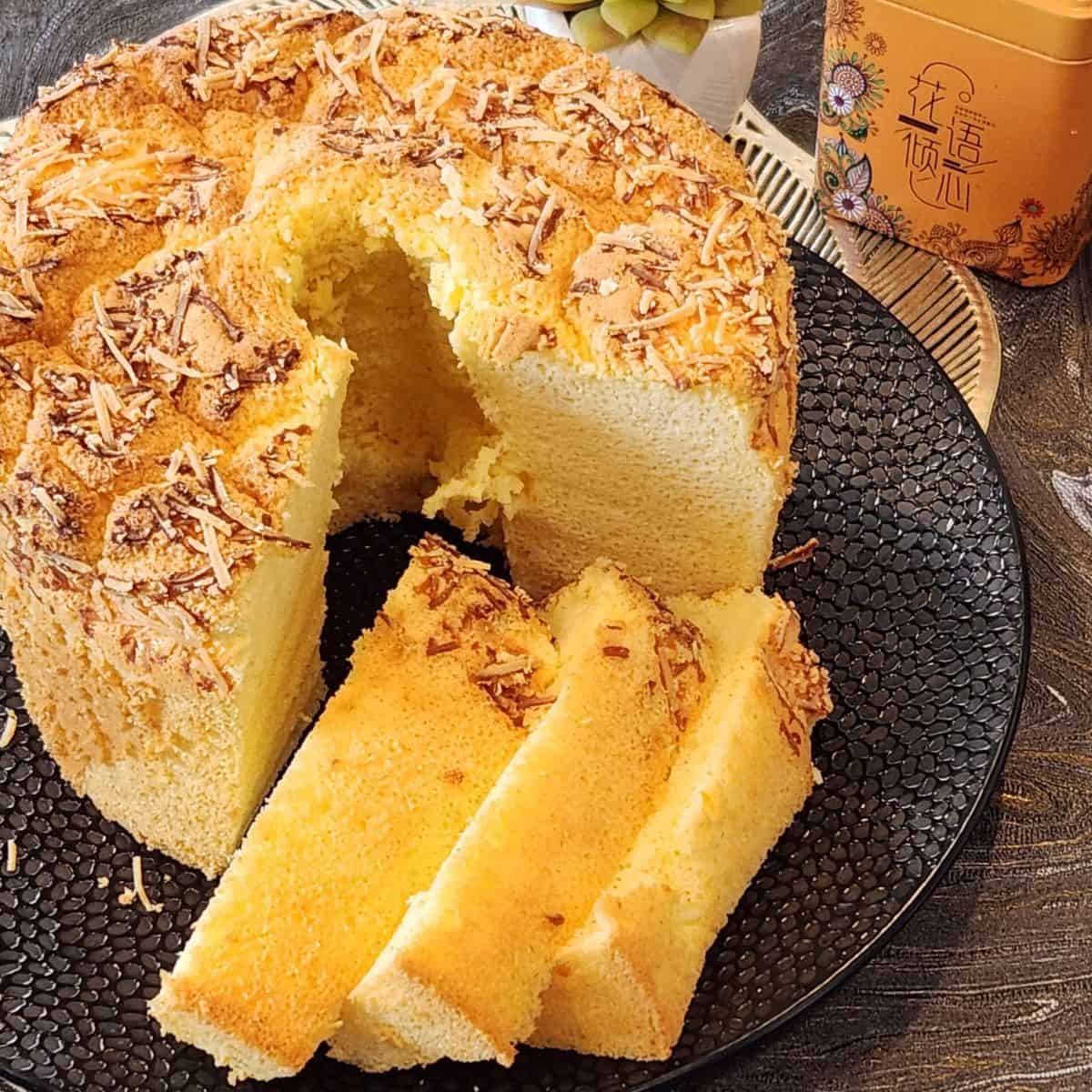
You can also use lemon curd as a filling for Lemon Chiffon Cake, Lemon Curd Cookies, tarts, or sandwich cookies.
Lemon Curd FAQs
It may simply need a little more cooking time. Keep stirring it gently over the double boiler until it thickens enough to coat the back of a spatula. Remember that it will thicken more as it cools.
This usually happens when the eggs cook too quickly. Keep the heat gentle and stir continuously. Straining the curd while it is still warm will also help give you a smoother texture.
Freshly squeezed lemon juice gives the best flavor. Bottled lemon juice can taste flatter or slightly bitter, so I prefer using fresh lemons.
Yes. Lemon curd is a great make-ahead recipe and actually becomes thicker after chilling.

Storage
Store the lemon curd in a clean, airtight jar in the refrigerator. For best quality, use it within about 1 to 2 weeks. You can also freeze it for longer storage; thaw it in the refrigerator before serving.
More Jam and Filling Recipes

Lemon Curd
Equipment
- 1 mason jars 16 ounce
Ingredients
- 150 gr sugar
- 3 eggs
- 80 gr lemon juice
- 56 gr butter
Instructions
- Squeeze the fresh lemon juice and strain out any seeds. Add the lemon juice, sugar, and eggs to a heatproof bowl or the top of a double boiler. Whisk everything together until well combined and the sugar starts to dissolve. Place the bowl over gently simmering water and cook over medium heat, stirring continuously.
- Keep stirring with a spatula until the lemon curd starts to thicken and coats the spatula. Add the butter and continue stirring until it has completely melted and the mixture is smooth. Remove from the heat and slowly strain the lemon curd through a fine-mesh strainer for an extra-smooth texture. Pour the warm lemon curd into a clean, sterilized jar and close with the lid.
Notes
- Use fresh lemon juice. Freshly squeezed juice gives the curd a brighter, cleaner flavor than bottled lemon juice.
- Cook it gently over a double boiler. Keep the water at a gentle simmer, and make sure the bottom of the bowl doesn’t touch the water. This helps the eggs cook slowly without scrambling.
- Keep stirring while it cooks. Stir continuously, especially around the bottom and sides of the bowl, so the mixture thickens evenly.
- Don’t wait until it looks very thick. The lemon curd should coat the back of a spatula when it is ready. It will continue to thicken as it cools.
- Add the butter after the curd has thickened. Stir until the butter is completely melted and incorporated before removing the curd from the heat.
- Strain the curd while it is still warm. This removes any tiny bits of cooked egg and gives you a smoother, silkier lemon curd.
- Use a clean jar for storage. Pour the warm curd into a clean, sterilized jar, let it cool, then refrigerate it.




I’ve made this lemon curd so many times over the years. It’s simple, smooth, and always so good!