

Shokupan (Japanese Milk Bread Recipe)
 This post may contain affiliate links.
This soft and fluffy Shokupan (Japanese Milk Bread) has a beautifully golden crust and a tender, pillowy crumb that pulls apart into delicate strands. Made with the tangzhong method, this homemade Japanese milk bread is wonderfully soft and perfect for breakfast, sandwiches, or simply enjoying with butter!

A Quick Look at the Recipe
🏷️ Recipe Name: Shokupan (Japanese Milk Bread Recipe)
⏱️ Ready In: ~ 2 hours 10 minutes
🍽️ Serves: 9 slices
🔥 Calories: 188 kcal per slice (estimate)
🧾 Main Ingredients: Bread flour, sugar, milk, instant yeast, milk powder, egg, unsalted butter, salt.
🥗 Dietary Info: Contains gluten and dairy
🧠 Difficulty: Easy with simple step-by-step guide.
Have a question? Ask AI!
Shokupan, also known as Japanese milk bread, is one of my favorite breads to make at home. I love how soft and fluffy it turns out, with a beautiful golden crust and a delicate, slightly sweet flavor. It’s delicious on its own, toasted with butter, or made into sandwiches.
For this Japanese milk bread recipe, I use the tangzhong method, which helps keep the bread soft and moist for longer. I shape the dough into three rolls and bake them together into a beautiful loaf. The result is a wonderfully fluffy bread that pulls apart into delicate strands.
If you enjoy making homemade Japanese bread, you might also love my Japanese Milk Buns with Custard Filling or Japanese Red Bean Bread for something sweet and delicious.
What is Shokupan?
Shokupan is a Japanese-style sandwich bread known for its soft, fluffy texture and slightly sweet, milky flavor. Unlike regular sandwich bread, it has a delicate, pillowy crumb that’s delicious even without any toppings.
Shokupan can be made using different techniques, including tangzhong and yudane. My version uses tangzhong, a cooked flour-and-liquid mixture that helps the bread retain moisture and stay soft longer.
This style of bread is also closely related to Hokkaido milk bread, which is known for its rich, tender texture and milky flavor.
Why You Will Love This Recipe
Recipe Ingredients

Ingredient Notes
- Bread Flour – Its higher protein content helps develop gluten, giving the bread its soft, stretchy texture.
- Milk – Adds moisture and richness to the dough.
- Milk Powder – Enhances the milky flavor and adds richness to the bread.
How to Make Shokupan

STEP 1. Prepare the Tangzhong. In a small saucepan, whisk together the bread flour and milk until smooth. Cook over medium-low heat, stirring continuously, until the mixture thickens into a smooth paste (Images 1, 2). Transfer the tangzhong to a bowl and let it cool completely (Image 3).
In a stand mixer bowl, sift together the bread flour and milk powder. Add the sugar, instant yeast, egg, and milk (Image 4).

STEP 2. Prepare and Knead the Dough. Using the dough hook attachment, start mixing the ingredients and add the cooled tangzhong (Image 5). Once the ingredients are combined, add the butter and salt (Images 6, 7).
Continue kneading until the dough becomes smooth and elastic. Shape it into a ball and place it in a lightly greased bowl. Cover with plastic wrap and let it rise for about 1 hour, or until doubled in size (Image 8).

STEP 3. Divide and Shape the Dough. Once the dough has doubled in size, gently punch it down to release the air (Images 9, 10). Divide the dough into three equal portions. Shape each portion into a ball, cover, and let them rest for 10 minutes to relax the gluten (Image 11).
Using a rolling pin, roll each portion into a long rectangle. Fold the two long sides toward the center, then gently roll the dough into a log, starting from one short end. Pinch the seam to seal it (Images 12, 13).

STEP 4. Second Proofing and Baking. Place the three shaped dough rolls into a greased 20 × 10 cm (8 × 4-inch) loaf pan, seam-side down. Cover loosely with plastic wrap and let the dough rise until it reaches approximately the top of the pan (Images 14, 15).
Bake in a preheated oven at 180°C (356°F) for about 20 minutes, or until the top is beautifully golden brown and the bread is baked through.
Remove from the oven and brush the top with melted butter for a soft, shiny crust (Image 16). Transfer the bread to a wire rack and let it cool before slicing.
Pro Tips
- Don’t overcook the tangzhong. Cook over medium-low heat, stirring continuously, until it becomes a thick, smooth paste. Let it cool completely before adding it to the dough.
- Knead until smooth and elastic. Proper kneading helps develop the gluten needed for that soft, fluffy texture and beautiful pull-apart strands.
- Use softened butter. Add the butter after the ingredients are combined. Softened butter incorporates more easily into the dough.
- Let the dough double in size. During the first rise, cover the dough and let it rise until doubled. The time may vary depending on your room temperature.
- Don’t skip the resting time. After dividing the dough into three portions, let them rest for 10 minutes. This relaxes the gluten and makes shaping much easier.
- Roll the dough snugly. Fold both long sides toward the center, then roll the dough into a log. Pinch the seam to seal it and place it seam-side down in the loaf pan.
- Watch the second rise. Let the shaped dough rise until it reaches approximately the top of the pan before baking. Avoid overproofing, which can cause the loaf to collapse.
Serving Suggestions
Shokupan (Japanese Milk Bread) is delicious on its own, but it’s even better with your favorite spreads and drinks!
- With homemade jams: Slice the bread and spread it with Coconut Kaya Jam, Cranberry Jam, Mango Jam, or tangy Lemon Curd for a delicious breakfast or afternoon snack.
- Make Hong Kong French Toast: Spread some peanut butter between two slices of Shokupan and turn them into delicious Hong Kong French Toast.
- Pair with refreshing drinks: Enjoy your Shokupan with a glass of Cucumber Juice or Pineapple Mint Soda. If you prefer something creamy, try Earl Grey Milk Tea or Oolong Milk Tea for a cozy afternoon treat.
Shokupan FAQs
Shokupan is a Japanese-style sandwich bread known for its soft, fluffy texture and slightly sweet flavor. Hokkaido milk bread is a closely related style that’s often made with milk and a tangzhong or yudane method for extra softness. The names are sometimes used interchangeably.
Shokupan may turn out dense if the dough isn’t kneaded enough, hasn’t risen properly, or has been overproofed. Make sure to knead until the dough is smooth and elastic, and allow it to rise sufficiently before baking.
Yes! Shokupan can be made without tangzhong, but the texture and moisture retention may be different. This recipe uses tangzhong to create a soft, fluffy crumb that stays moist longer.
Shokupan can collapse if the dough is overproofed or the center isn’t fully baked. Avoid letting the dough rise too much during the second proof, and make sure the loaf is baked through before removing it from the oven.
Bread flour is recommended because its higher protein content helps develop the gluten needed for a soft, stretchy crumb. All-purpose flour may work, but the bread could have a different texture and may require adjustments to the liquid.

How to Store Shokupan
- Room Temperature: Let the bread cool completely, then store it in an airtight container or sealed bag at room temperature for up to 2–3 days to keep it soft and fresh.
- Freezer: For longer storage, slice the bread and place it in a freezer-safe bag or airtight container. Freeze for up to 2–3 months.
- Reheating: Toast the frozen slices directly or warm them in the oven until soft and heated through. You can also let them thaw at room temperature before serving.
More Asian Bread Recipes
If you love making homemade bread, here are more delicious Asian bread recipes you might enjoy!
- Melon Pan – A popular Japanese sweet bread with a soft, fluffy interior and a crisp, cookie-like crust.
- Coffee Bun – A soft, fluffy bun topped with a fragrant, crispy coffee-flavored crust.
- Korean Sausage Bread – A savory Korean bakery-style bread filled with sausage and topped with delicious savory ingredients.
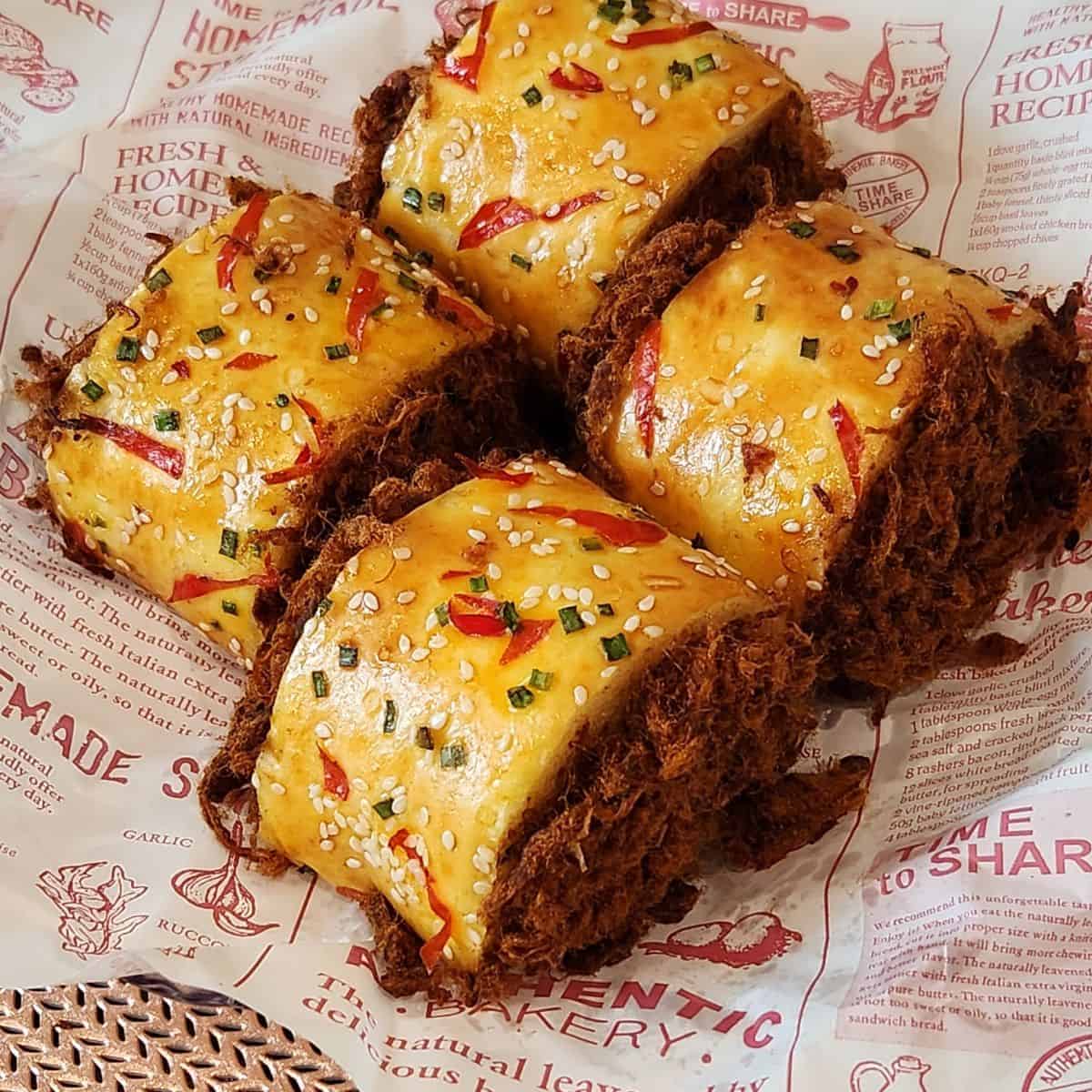
- Beef Floss Bread Roll – A soft, savory bread roll filled with flavorful beef floss, perfect for breakfast or a snack.
- Cranberry Cream Cheese Yeast Bread – Soft artisan-look bread with cream cheese filling and cranberries.
- Pumpkin Coconut Buns – Soft, fluffy pumpkin bread with coconut filling.
Looking for more baking inspiration? Browse my Asian Bread Recipes collection for more delicious homemade breads.

Shokupan (Japanese Milk Bread)
Equipment
- 1 loaf pan
Ingredients
Tang Zhong
- 20 g bread flour
- 100 g milk
Bread Dough
- 300 g bread flour
- 40 g sugar
- 4 g instant yeast
- 10 g milk powder
- 135 g milk
- 25 g butter unsalted
- 3 g salt
Instructions
Prepare the Tangzhong
- In a small saucepan, whisk together the bread flour and milk until smooth. Cook over medium-low heat, stirring continuously, until the mixture thickens into a smooth paste. Transfer the tangzhong to a bowl and let it cool completely.
Prepare and Knead the Dough
- In a stand mixer bowl, sift together the bread flour and milk powder. Add the sugar, instant yeast, egg, and milk.
- Using the dough hook attachment, start mixing the ingredients and add the cooled tangzhong. Once the ingredients are combined, add the butter and salt.
- Continue kneading until the dough becomes smooth and elastic. Shape it into a ball and place it in a lightly greased bowl. Cover with plastic wrap and let it rise for about 1 hour, or until doubled in size.
- Once the dough has doubled in size, gently punch it down to release the air. Divide the dough into three equal portions. Shape each portion into a ball, cover, and let them rest for 10 minutes to relax the gluten.
- Using a rolling pin, roll each portion into a long rectangle. Fold the two long sides toward the center, then gently roll the dough into a log, starting from one short end. Pinch the seam to seal it.
- Place the three shaped dough rolls into a greased 20 × 10 cm (8 × 4-inch) loaf pan, seam-side down. Cover loosely with plastic wrap and let the dough rise until it reaches approximately the top of the pan.
- Bake in a preheated oven at 180°C (356°F) for about 20 minutes, or until the top is beautifully golden brown and the bread is baked through.
- Remove from the oven and brush the top with melted butter for a soft, shiny crust. Transfer the bread to a wire rack and let it cool before slicing.
Notes
- Don’t overcook the tangzhong. Cook over medium-low heat, stirring continuously, until it becomes a thick, smooth paste. Let it cool completely before adding it to the dough.
- Knead until smooth and elastic. Proper kneading helps develop the gluten needed for that soft, fluffy texture and beautiful pull-apart strands.
- Use softened butter. Add the butter after the ingredients are combined. Softened butter incorporates more easily into the dough.
- Let the dough double in size. During the first rise, cover the dough and let it rise until doubled. The time may vary depending on your room temperature.
- Don’t skip the resting time. After dividing the dough into three portions, let them rest for 10 minutes. This relaxes the gluten and makes shaping much easier.
- Roll the dough snugly. Fold both long sides toward the center, then roll the dough into a log. Pinch the seam to seal it and place it seam-side down in the loaf pan.
- Watch the second rise. Let the shaped dough rise until it reaches approximately the top of the pan before baking. Avoid overproofing, which can cause the loaf to collapse.


I love how simple this shokupan recipe is! Thanks to the tangzhong method, the bread turns out wonderfully soft, fluffy, and moist, with beautiful pull-apart strands.